Get Adobe Flash player

PRANAYAMA

What is Pranayama?
"Prana" means life force or breath, and "ayama" means to restrain or control. Pranayama are yogic breathing techniques that have numerous benefits, which generally include increasing awareness, improving health by oxygenating the body, strengthening the respiratory and circulatory system, releasing toxins from the internal organs, and calming the mind.

Sukhasana (easy pose)

Where to Practice Pranayama
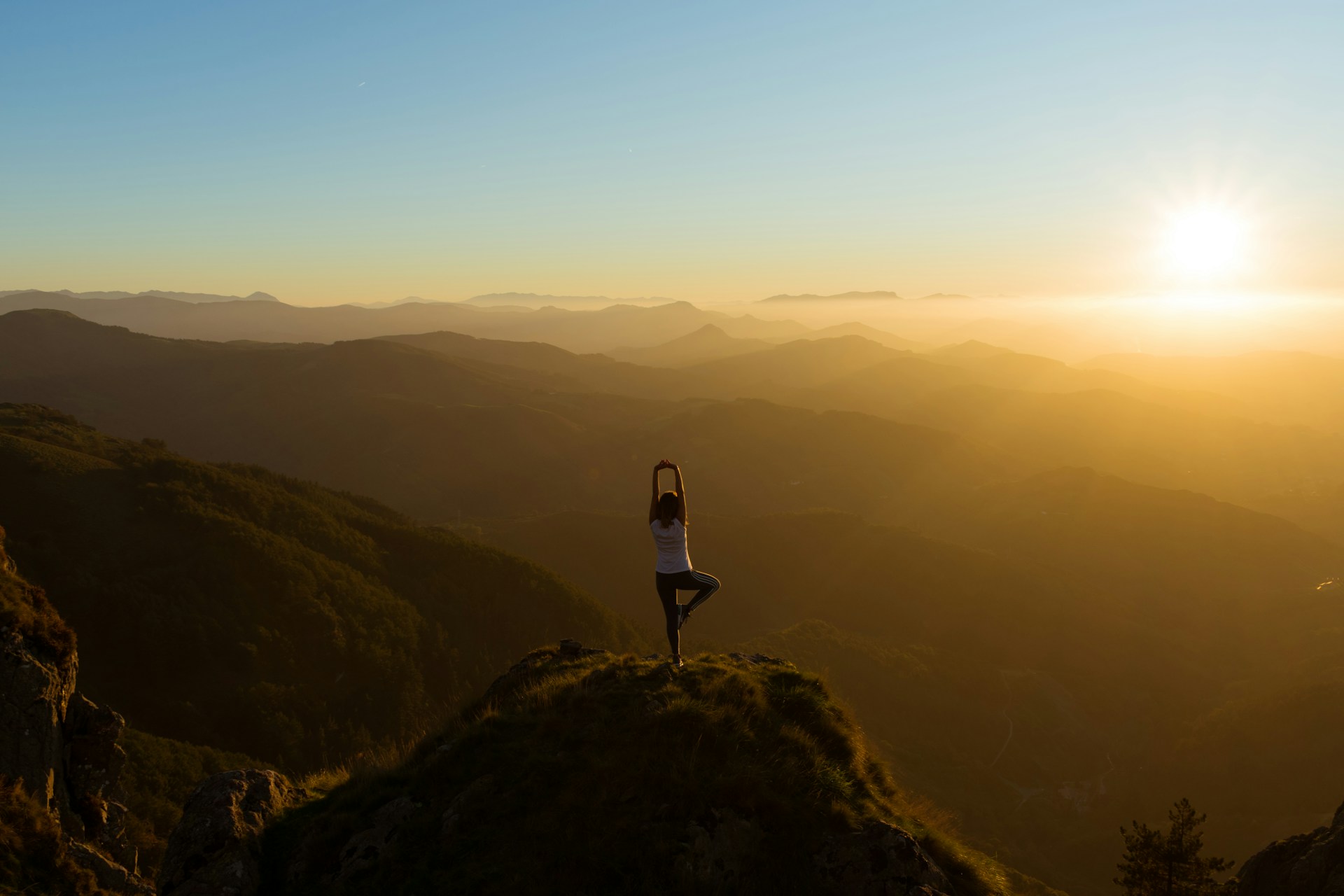
Most pranayama techniques are best practiced while sitting on the floor. They are normally practiced in sukhasana (easy pose), vajrasana (thunderbolt pose), siddhasana (accomplished pose), or padmasana (lotus pose) but may be practiced in any other posture, including sitting on a chair, as long as the spine is kept erect. Pranayama should be practiced in a quiet, calm environment with little distraction.

When to Practice Pranayama
Pranayama should be practiced with an empty stomach. The best time for practice is said to be early morning while the air is calm and fresh or in the evening, however, it may be practiced during any time of the day.

Here are a few pranayama techniques:

Bastrika
Bastrika, also known as “bellows breath,” is a vigorous breathing technique, which allows the body to absorb the maximum amount of oxygen possible during a given time. If you are a beginner or have respiratory weakness, it is recommend that you start out by practicing the kapalabhati technique.

Benefits:
  • Helps remove toxins and cures illnesses of the respiratory tract
  • Oxygenates the body and purifies the blood
  • Helps to increase mental clarity
  • Generates heat in the body
  • Regular practice improves the skin, tones the internal organs and strengthens the immune system
Restrictions:
  • Persons with unmedicated high blood pressure, heart disease, epileptic tendencies, persons who had recent abdominal surgery and pregnant women should avoid this practice.
Steps:
  1. Perform the practice with the eyes closed. Sit in a comfortable position, with spine straight. Gently place the hands on the knees. Observe the breath for a few cycles. 
  2. Breathe in by inhaling forcefully through both the nostrils. The primary movement is from the diaphragm. Once you inhale fully, exhale with great force making a sound. For beginners, a good pace is one inhale-exhale cycle per second.
  3. Repeat 5 – 20 times or so, depending on your capacity, and then gradually increase to up to 5 minutes per session. The speed of the breath may also be increased with practice.

Brahmari
Brahmari is known as the breath of the humming bee, since it creates a sound reminiscent of a bee. It has an almost instantaneous calming effect in the mind and is good before meditation or sleep.

 Benefits:
  • Calms the mind and reduces stress
  • Lowers blood pressure
  • Helps reduce problems in the ear, eye and mouth region
  • Strengthens the throat and vocal cords
  • Speeds up healing of wounds
  • Encourages healthy development of the fetus and helps with child birth
Restrictions:
  • None
Steps:
  1. Perform the practice with the eyes closed. Sit in a comfortable position, with spine straight. Close your ears by keeping the tragus pressed with your thumbs. Keep your index fingers resting on your forehead, while using the 3 remaining fingers to gently cover your eyes.
  2. Breathe in slowly and deeply through both nostrils. As you exhale, let your mouth remain closed and hum like a bee. Abdominal movements should be kept to a minimum and inhalation and exhalation should be done using the full lungs.
  3. Repeat 10-12 times and then gradually increased to 25-30 repetitions. It should be performed continuously for at least 5 minutes and breaks should be taken in between. For a more meditative effect, try focusing your mind on the Ajna chakra, which is located between the eyebrows.

Dirga
This pranayama technique is known as "three-part breath." It trains one to breathe smoothly and use the full lungs as one breathes, getting maximum benefit of each breath. It is also a calming practice. 

Benefits:
  • Trains the body to breathe more deeply and evenly
  • Reduces stress and helps to increase mental clarity
  • Increases mind-body awareness
Restrictions:
  • None
Steps:
  1. Perform the practice with the eyes closed. Sit in a comfortable position, with spine straight, or alternatively, this practice may done in shavasana (corpse pose). Relax.
  2. Begin by observing the natural inhalation and exhalation of the breath. If you find yourself distracted by activities of the mind, try not to engage in the thoughts. Just notice them and then let them go. Keep the mouth closed and perform the entire practice through the nose. 
  3. On each inhale, slowly fill the belly up with air like a balloon. On each exhale, slowly expel all the air out from the belly, drawing the navel back towards the spine. Repeat for five breaths. 
  4. Inhale and fill the belly up with air, and when it is full, draw in a little more air and expand into the rib cage, causing the ribs to widen. On the exhale, let the air out first from the rib cage, letting the ribs slide closer together, and then from the belly, drawing the navel back towards the spine. Repeat for five breaths.
  5. Fill the belly and rib cage with air as described, then draw in just a little more air and let it fill the upper chest, all the way up to the collarbone. On the exhale, let the breath go first from the upper chest, then from the rib cage, then from the belly. Empty the lungs completely. Continue for about 10 breaths, trying to do so as smoothly and with as much awareness as possible. 

Kapalabhati
Kapalabhati is one of the most popular cleansing breaths. It is also called the "shining breath," since it is said to give a glow to the face of the long-term practitioner. It consists of a series of forceful exhalations followed by passive inhalations.

Benefits:
  • Helps remove toxins and cures illnesses of the respiratory tract
  • Oxygenates the body and purifies the blood
  • Helps to increase mental clarity
  • Regular practice improves the skin, tones the internal organs and strengthens the immune system
Restrictions:
  • Persons with unmedicated high blood pressure, heart disease, persons who had recent abdominal surgery, and pregnant women should avoid this practice.
Steps:
  1. Perform the practice with the eyes closed. Sit in a comfortable position, with spine straight. Gently place the hands on the knees. Observe the breath for a few cycles.
  2. Inhale deeply, then exhale with great force making a sound. Try to exhale every last drop of air in the lungs. The primary movement is from the diaphragm. Let the inhale happen on its own without effort. For beginners, a good pace is about one breath per second.
  3. Continue for 30 seconds, then relax. Observe the breathless state of kumbaka for several seconds, then allow the breath to come back naturally. Repeat the practice 2 or 3 times. Gradually increase to 5 minutes per session. The speed of the breath may also be increased with practice.

Nadi Shodhana (Nadi Shuddhi)
"Nadi' are channels through which energy or life force flows throughout the body. There are three principal channels, know as "ida (channel terminating in the left nostril)," "pingala (channel terminating in the right nostril)," and "sushumna (central channel terminating at the crown of the head)." "Nadi Shuddhi" literally means "purification of the energy channels." Also known as alternate nostril breathing, this practice helps balance the right and left energy channels. Regular practice is said to promote health and increase the life span.

Benefits:
  • Calms the mind and reduces stress
  • Relieves disorders of the respiratory tract
  • Improves oxygenation of the body and purifies the blood
  • Improves lung capacity and function
  • Improves function of the internal organs
Restrictions:
  • None
Steps:
  1. nasika mudra
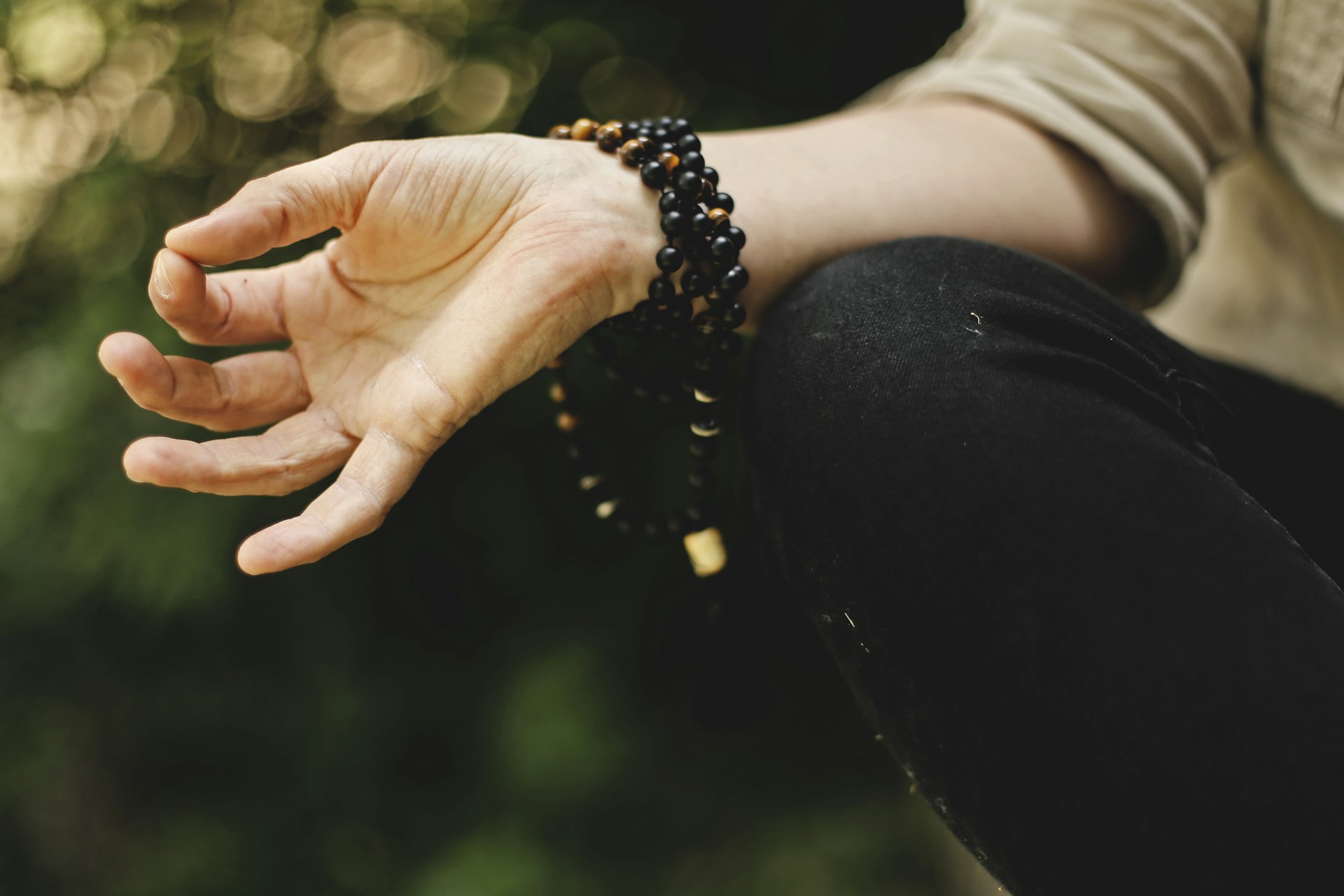
  2. Perform the practice with the eyes closed. Sit in a comfortable position, with spine straight. Using either hand, stretch out the fingers and then bend in the middle and index finger (this hand position is called nasika mudra). The thumb and ring fingers will be used to block the nostrils alternately.
  3. While retaining the hand position, block the right nostril and inhale deeply through the left nostril.
  4. Block the left nostril and open the right nostril. Exhale through the right nostril.
  5. Inhale through the right nostril. Block the right nostril, open the left nostril, and exhale through the right nostril.
  6. Repeat 10 cycles to start with. The duration can be increased with practice to 30 minutes or longer.

Ujjayi
Ujjayi is a combination of two Sanskrit words, ut, meaning "up," and jayi, meaning "victory." It is also known as "victorious breath," or "ocean breath" due to its sound which ressembles the sound of waves in an ocean. Some schools teach this breathing as part of the asana practice (postures), but it is actually a practice all in itself. This pranayama helps overcome disturbances of the vital energy known as uddana, the upward-flowing prana.

Benefits:
  • Calms the mind and reduces stress
  • Increases mental alertness and improves concentration
  • Lowers blood pressure
  • Improves oxygenation of the body and purifies the blood
  • Improves lung capacity and function
  • Improves function of the internal organs
  • Helps with asthma, throat and thyroid problems
Restrictions:
  • None
Steps:
  1. Perform the practice with the eyes closed. Sit in a comfortable position, with spine straight. Relax your body. Draw attention to your normal breath. Observe for several breaths.
  2. Inhale slowly and deeply through the nose. On the exhale, slightly constrict the passage of air so that the throat produces a sound like the waves of an ocean. In the beginning, it is helpful to practice for several breaths with the mouth open and imagine that you are whispering or fogging up a mirror.
  3. Exhale using the same amount of constriction in the throat. There should be a sound like the waves of an ocean with both the inhale and exhale.
  4. Continue the practice for one minute or as long as you wish.

COMING SOON!: Shitali Pranayama, Bahya Pranayama, Udgit pranayama, Agnisar Kriya.